

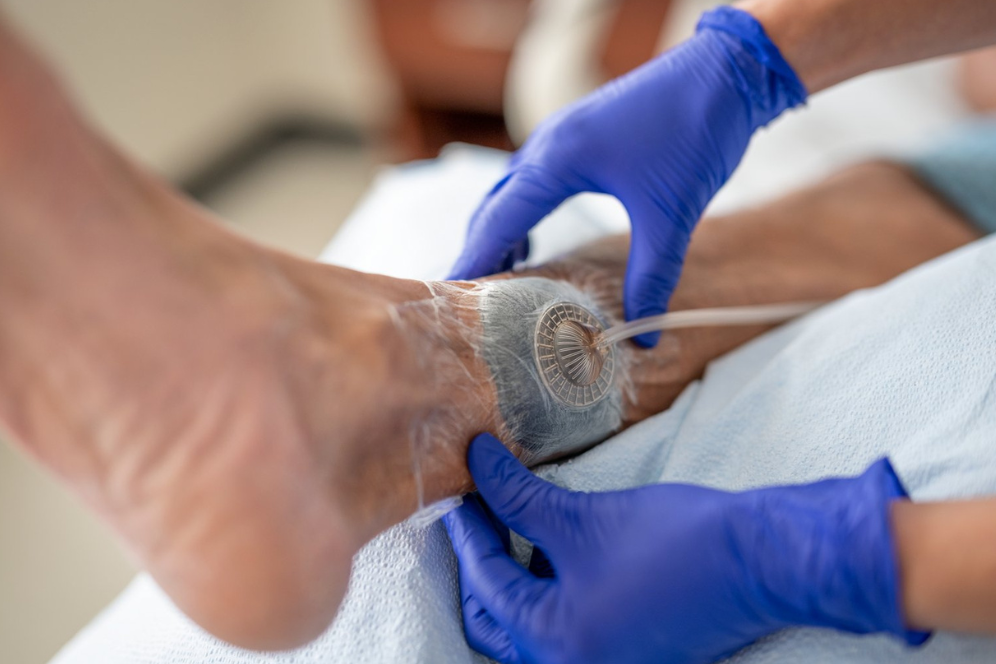
Negative Pressure Wound Therapy (NPWT) has emerged as a transformative approach in the treatment of complex wounds, especially in Skilled Nursing Facilities (SNFs). For administrators and clinical leadership, understanding the timing, benefits, and ROI (Return on Investment) of NPWT is critical to enhancing patient care and improving facility performance.
In this blog, we explore when to use NPWT in your SNF and how it delivers measurable value for both patient outcomes and administrative efficiency.
What is NPWT and How Does it Work?
NPWT is an advanced wound care technique that uses a vacuum-assisted dressing to promote faster healing. It works by applying controlled negative pressure to the wound, which helps:
-Remove exudate and infectious materials
-Reduce edema
-Promote granulation tissue formation
-Increase local blood flow
When Should You Use NPWT in a Skilled Nursing Facility?
NPWT is most beneficial in the following wound types:
-Post-surgical wounds
-Pressure ulcers (stage 3 and 4)
-Diabetic foot ulcers
-Traumatic or infected wounds
-Dehisced surgical incisions
Early intervention with NPWT, especially within the first few days of admission, can prevent complications, reduce length of stay, and avoid costly hospital readmissions.
The ROI of NPWT: Why It Makes Sense for SNFs
Implementing NPWT may seem costly upfront, but the long-term benefits are substantial for administrators and leadership:
Avoiding unnecessary hospital transfers due to wound complications helps facilities comply with quality metrics and prevents financial penalties.
Faster wound healing leads to shorter treatment durations and lower overall care costs.
Wound healing outcomes directly impact star ratings and reimbursement rates. NPWT supports better documentation and performance metrics.
With expert-led training and in-service education (offered monthly by Crescent Wound Care), clinical staff feel more confident managing complex wounds, leading to higher job satisfaction and retention.
Better outcomes and lower discomfort levels lead to positive word-of-mouth, which benefits both census and reputation.

At Crescent Wound Care, we're not just treating wounds; we're restoring health and improving quality of life. Trust us to be your partners in healing.