

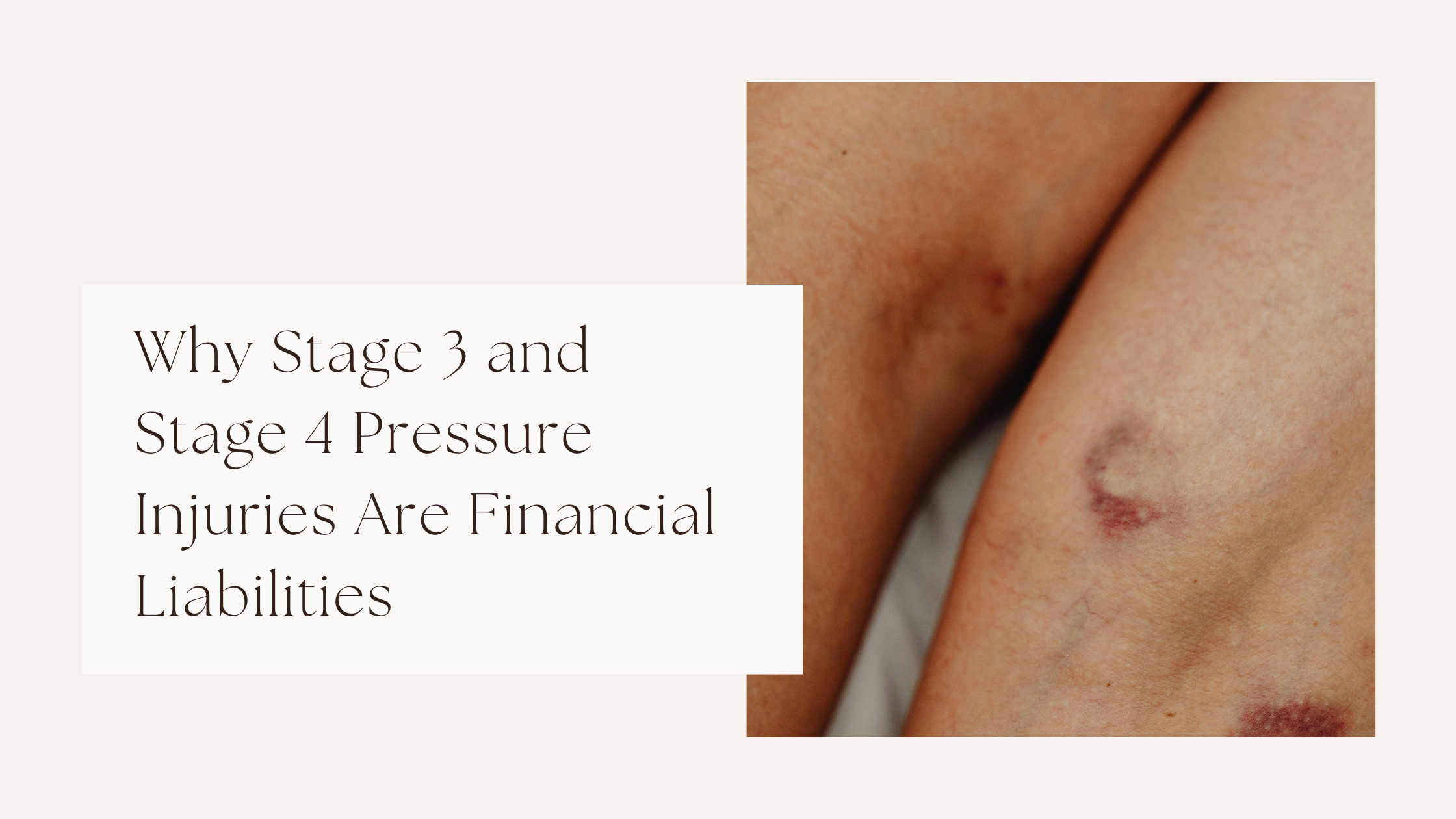
Pressure injuries and documentation gaps are no longer just clinical concerns—they are major financial and regulatory risks for healthcare facilities. Stage 3 and Stage 4 pressure injuries, combined with inconsistent EMR documentation, can lead to CMS citations, non-reimbursable care, extended lengths of stay, and costly legal exposure.
Stage 3 and Stage 4 pressure injuries are among the most expensive and high-risk conditions for post-acute and long-term care facilities. These advanced wounds often result in:
-Extended length of stay
-Increased treatment and staffing costs
-Non-reimbursable expenses under CMS guidelines
-Higher risk of infection, hospitalization, and litigation
Hospital-Acquired Pressure Injuries (HAPIs), especially at advanced stages, significantly impact both patient safety metrics and facility revenue.
The most effective way to reduce advanced pressure injuries is early identification and timely intervention.
Crescent Wound Care’s experienced surgeons focus on:
-Early wound assessment
-Rapid intervention before wounds progress
-Evidence-based surgical and bedside wound care
-Close collaboration with facility teams
By intervening early, we help facilities prevent Stage 3 and Stage 4 HAPIs, reducing complications, hospital transfers, and overall cost of care—while improving patient outcomes.
Outcomes matter.
Crescent Wound Care has achieved 98.42% fewer amputations compared to 1,323 other facilities. This benchmark reflects our commitment to proactive wound management and high-quality surgical care.
Incomplete or inconsistent EMR documentation is one of the most common reasons facilities face CMS citations, survey deficiencies, and audit challenges.
Documentation gaps can lead to:
-Regulatory non-compliance
-Missed reimbursement opportunities
-Increased audit risk
-Inaccurate clinical records
Our services are fully supported by a PCC-integrated EMR, allowing:
-Seamless documentation within existing workflows
-Real-time access to wound care notes and surgical documentation
-Improved communication between care teams
-Reduced administrative burden on facility staff
By integrating directly with PCC, we help facilities maintain regulatory compliance without adding extra workload.

At Crescent Wound Care, we're not just treating wounds; we're restoring health and improving quality of life. Trust us to be your partners in healing.