

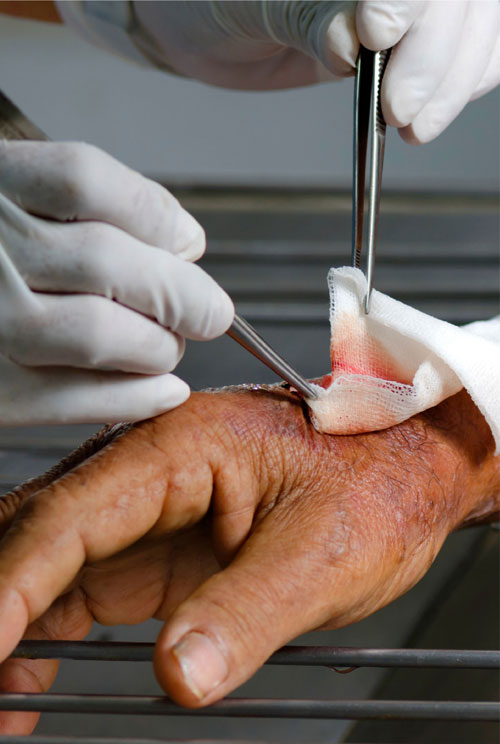
The Centers for Medicare & Medicaid Services (CMS) has rolled out a significant update in the 2025 Medicare Physician Fee Schedule that directly impacts Skilled Nursing Facilities (SNFs) and post-acute care providers. For the first time, caregiver training—including wound care, pressure ulcer prevention, and infection control—will be reimbursable services under new G-codes.
This change represents both a revenue opportunity and a clinical advantage for SNF administrators, corporate leaders, and care teams.
What Has Changed?
CMS has finalized new G-codes (e.g., G0541, G0542, G0543) that allow caregiver training to be billed and reimbursed under Medicare. This includes training for:
Wound care and wound management
Pressure ulcer prevention
Infection control and prevention strategies
Even more importantly, CMS has confirmed that caregiver training delivered via telehealth will also be covered. This opens the door for facilities to expand caregiver education beyond in-person sessions, providing more flexibility and accessibility.
Why This Matters for Skilled Nursing Facilities
Traditionally, caregiver training has been considered part of routine care and not separately billable. With this new policy, facilities can now receive reimbursement for caregiver education, whether the caregiver is a family member, private aide, or other support individual.
When caregivers are trained effectively, patients benefit directly.
The expansion of telehealth coverage for caregiver training means SNFs can:
This policy shift reflects CMS’s larger push toward value-based care, rewarding providers for quality, prevention, and cost-efficiency.
What SNF Leaders Should Do Next

At Crescent Wound Care, we're not just treating wounds; we're restoring health and improving quality of life. Trust us to be your partners in healing.